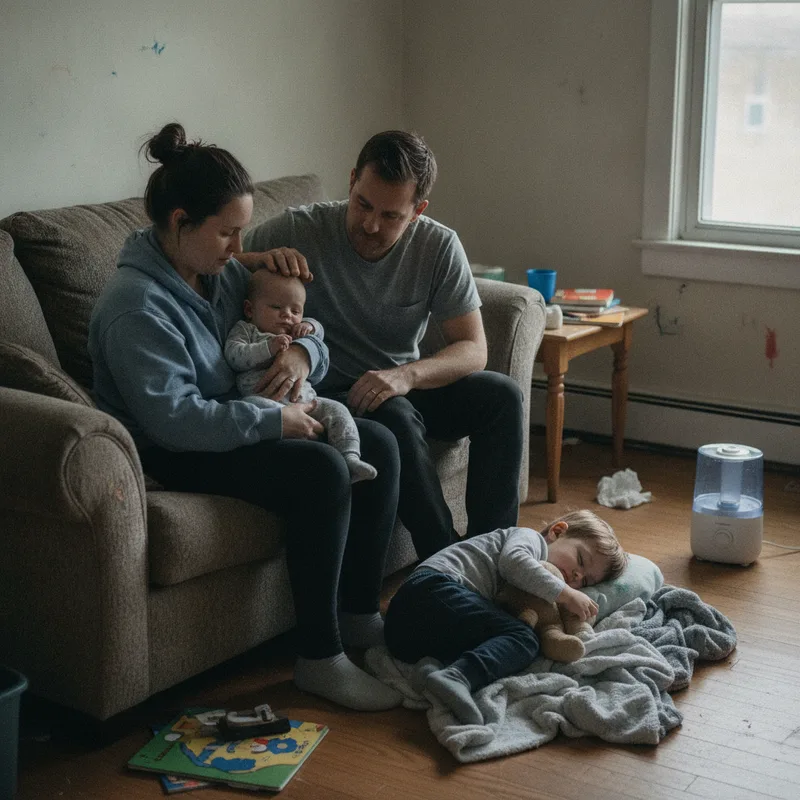
RSV, short for respiratory syncytial virus, is a common virus that almost every child catches by age 2. In older kids and adults it usually acts like a cold. In babies, though, it can settle in the small airways and make breathing hard. RSV is a leading reason young babies end up in the hospital. The good news is that most children recover at home, and there are now ways to help protect babies before they ever get sick.
RSV season
RSV spreads most in the fall and winter, often peaking in the colder months and easing by spring. Timing varies by region and from year to year, and in Texas and other southern states the season can start earlier than in the North. Because our winters are mild and families gather indoors around the holidays, it pays to be alert from early fall on.
RSV spreads through droplets when someone coughs or sneezes, and through hands and surfaces. The virus can live on toys, counters and doorknobs for hours. People are usually contagious for about 3 to 8 days, but young babies can spread it for longer.
Who is at higher risk
Any child can get very sick with RSV, but the risk is higher for:
- Babies under 6 months, especially those under 2 to 3 months
- Babies born premature
- Children with heart disease present from birth, or chronic lung disease
- Children with a weak immune system
- Children with conditions that make it hard to swallow or clear mucus, such as some neuromuscular conditions
Older siblings in day care or school often bring RSV home, and a cold in a big brother or sister can be a much bigger illness for a newborn.
Symptoms
RSV usually starts like a cold, with:
- Runny or stuffy nose
- Cough and sneezing
- Fever, though not always
- Fussiness and eating less
In some babies the infection moves down into the small airways, called bronchiolitis, or into the lungs, called pneumonia. Then you may see fast breathing, wheezing, and working hard to breathe. Symptoms tend to be worst on days 3 to 5. Most children feel better within 1 to 2 weeks, though a cough can linger.
The youngest babies may not have typical cold signs. They may only seem cranky, sleepy, feed poorly, or have pauses in breathing.
Many viruses look alike at first. Your pediatrician may or may not need to test for RSV, since home care is usually the same either way.
Home care
There is no medicine that kills RSV for most children. Care is about comfort and fluids:
- Use saline drops and gentle suction to clear your baby's nose, especially before feeds and sleep
- Offer breast milk or formula often, in smaller amounts, and keep track of wet diapers
- Run a cool-mist humidifier if it seems to help
- Keep your child away from smoke and vaping
- Ask your pediatrician whether a fever reducer is right for your child's age and the dose by weight. Never give aspirin.
- Do not use over-the-counter cough and cold medicines in babies and young children
Antibiotics do not treat RSV because it is a virus. Children who become very sick may need hospital care for oxygen, fluids or help with breathing. For more detail on the airway infection RSV often causes, see our post on bronchiolitis.
Warning signs
Call your pediatrician right away if your child has:
- Fast breathing, or skin pulling in around the ribs or neck with each breath
- Pauses in breathing
- Poor feeding, or fewer wet diapers than usual
- Pale, gray or blue color of the lips, face or nails
- Much less alert or active than usual
- Symptoms that get worse after the first week, or a fever that comes back
The AAP explains more in RSV: when it's more than just a cold.
Prevention options
There are now two main ways to protect babies from serious RSV illness. Most babies need only one of them, not both.
- An RSV vaccine during pregnancy. Given in the later weeks of pregnancy during certain months of the year, it helps the mother pass protective antibodies to the baby before birth. This protects the baby through the first months of life.
- An antibody shot for the baby. This is a single shot of ready-made antibodies that protects through the RSV season. It may be offered to babies entering their first RSV season, often at birth or at an early checkup, and to some higher-risk toddlers in their second season.
These options lower the chance of severe illness. They do not fully prevent infection. Whether your baby needs the antibody shot depends on when they were born, whether you got the vaccine in pregnancy, and your baby's health. Ask your obstetrician during pregnancy, and your pediatrician after birth, what is recommended for your family. MedlinePlus has a plain-language overview of RSV infections and prevention.
Everyday steps
- Wash hands with soap and water before holding your baby, and ask visitors to do the same
- Keep people with colds, including older siblings, from kissing your baby's face
- Limit crowds for young babies during RSV season when you can
- Clean toys and surfaces that get touched often
- Breastfeed if you can, and keep your home smoke free
When to call us
Call your A thru Z Pediatrics office if your child has cold symptoms and is breathing faster, eating less, wetting fewer diapers, or seems more tired than usual. Any baby under 3 months with a temperature of 100.4°F or higher in the bottom needs a call right away. Also call to ask about RSV protection for a new baby.
Call 911 or go to the ER if your child is struggling to breathe, turns blue or gray, has long pauses in breathing, or is limp or hard to wake.
Need to have your child seen? You can request a visit.
This article is general information, not medical advice. If you have concerns about your child's health, call your A thru Z Pediatrics office.