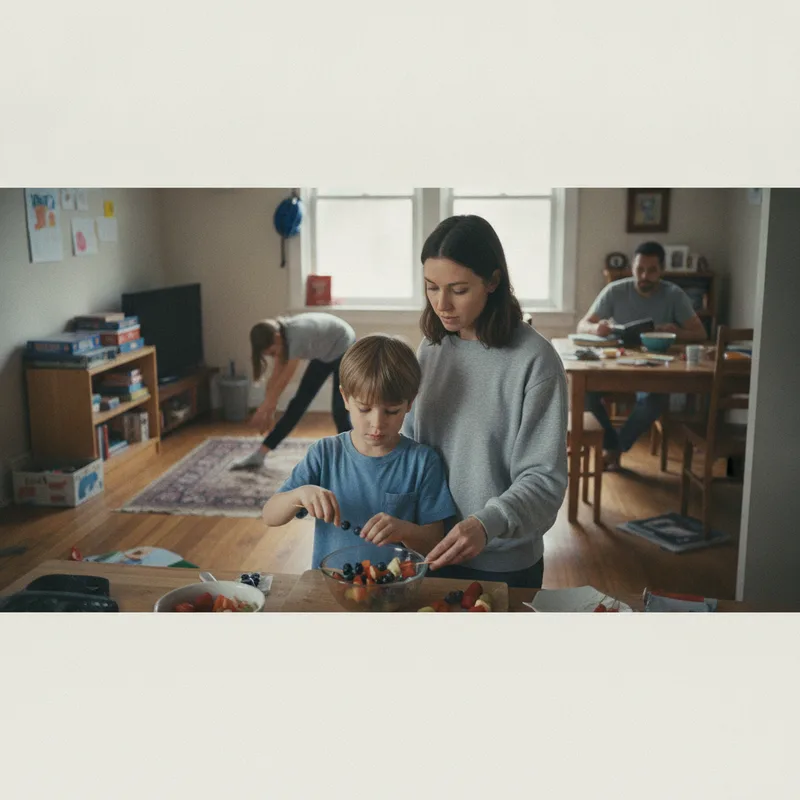
Every parent wants their child to grow up healthy and feel good in their body. Weight can be a touchy subject, though, and it is easy to worry about saying the wrong thing. The most helpful approach is to focus on habits rather than numbers, and on the whole family rather than one child. Small, steady changes at home make a bigger difference than any diet. Here is a practical look at the habits that support a healthy weight, how pediatricians track growth, and when to bring up concerns.
Start with the whole family
Children copy what they see. When the whole household eats, drinks, moves and sleeps in healthy ways, no one feels singled out. Never put one child on a diet while siblings eat differently. Instead, make the healthy choice the normal choice for everyone.
Meals and snacks
- Eat together when you can. Family meals at the table, with the TV off, help children eat more slowly and notice when they are full.
- Fill half the plate with fruits and vegetables. Add whole grains and a protein such as beans, eggs, fish, chicken or lean meat.
- Plan snacks. Keep easy choices ready, like cut fruit, yogurt, cheese, nuts for older children, or carrots with hummus. Grazing all day makes hunger signals harder to read.
- Let children decide how much. You choose what food is offered. Your child decides how much to eat. Skip the "clean plate club."
- Do not use food as a reward or comfort. Praise, a hug or time together works better than a treat.
- Keep treats as treats. Sweets and chips are fine sometimes. They just should not be on hand all the time.
Drinks
Sugary drinks are one of the easiest places to make a change. Soda, sweet tea, sports drinks, energy drinks, lemonade and fruit drinks add a lot of sugar without filling kids up.
- Make water the main drink. Keep a cold water bottle handy, which helps in the Texas heat.
- Offer plain milk with meals in the amount your pediatrician recommends for your child's age.
- Babies under 1 year should not have juice. For older children, whole fruit is a better choice than juice. If you serve juice, keep it to a small amount of 100% juice.
- Children and teens should not have energy drinks.
Activity
Children and teens ages 6 to 17 should get at least 60 minutes of physical activity every day. Younger children should be active throughout the day. Activity does not have to mean sports.
- Walk or bike together, dance in the kitchen, play tag or shoot hoops.
- Look for something your child enjoys. Kids stick with activities that are fun.
- In San Antonio summers, plan outdoor play for early morning or evening and choose shady spots, pools and splash pads. Bring water and take breaks.
- On hot or rainy days, try indoor options like rec centers, libraries with activity programs, or active video games.
Sleep
Children who do not get enough sleep are more likely to gain extra weight. Tired kids also crave sugary snacks and move less. School-age children generally need about 9 to 12 hours a night, and teens about 8 to 10. A steady bedtime, a calm routine and no screens in the bedroom all help.
Screens
Time on screens often replaces active play and sleep, and it is easy to snack without noticing in front of a show. Ads for sugary foods and drinks also target children. Create a family media plan that sets limits, keeps meals screen-free and keeps devices out of bedrooms at night.
Talk about health, not size
How you talk about weight matters. Teasing or comments about a child's body, even meant kindly, can hurt self-esteem and lead to unhealthy eating, secret eating or eating disorders later on.
- Talk about being strong, having energy and feeling good, not about being thin or fat.
- Do not comment on your own weight or other people's bodies in front of your child.
- Do not allow teasing about weight at home, including from siblings.
- If your child is teased at school, take it seriously and talk with the school.
A quick word on BMI percentile
At checkups, your pediatrician measures your child's height and weight and, starting at age 2, works out body mass index (BMI). For children, BMI is compared with other kids of the same age and sex and shown as a percentile. In general:
- Below the 5th percentile is considered underweight.
- From the 5th up to the 85th percentile is considered a healthy weight.
- From the 85th up to the 95th percentile is considered overweight.
- At or above the 95th percentile is considered obesity.
BMI is a screening tool, not a diagnosis. It does not measure muscle or tell the whole story about health. Your pediatrician looks at your child's growth over time, family history, blood pressure and habits. Sometimes lab tests are suggested to check for related problems such as high cholesterol or prediabetes.
When extra help is needed
The AAP encourages pediatricians and families to address excess weight early rather than waiting to see if a child grows out of it. Treatment starts with family-based lifestyle support and can include working with a dietitian or a weight management program. For some older children and teens, other treatments may be discussed. Every plan should be made with your child's pediatrician based on your child's needs. You can read more on HealthyChildren.org's page on obesity in children and MedlinePlus's guide to childhood obesity.
When to call us
Call your A thru Z Pediatrics office if you are worried about your child's weight, if your child is gaining or losing weight quickly, or if you notice snoring, very heavy thirst and urination, dark velvety patches of skin on the neck or underarms, or joint pain. Also call if your child skips meals, eats in secret, makes themselves throw up, or seems very upset about their body. These can be signs of an eating disorder.
Call 911 or go to the ER if your child is very drowsy, confused, breathing fast or vomiting with signs of dehydration, or for any emergency.
To talk about healthy habits for your family, request a visit.
This article is general information, not medical advice. If you have concerns about your child's health, call your A thru Z Pediatrics office.