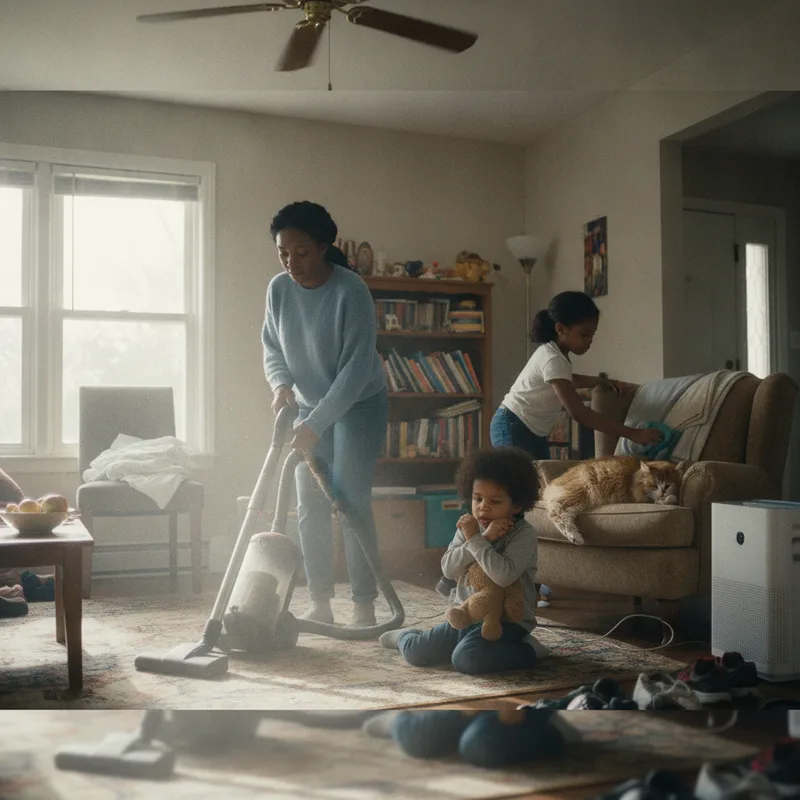
Children spend a lot of time at home, so what floats in the air there can matter a great deal for asthma. A trigger is anything that irritates your child's airways or sets off an allergic reaction, leading to coughing, wheezing or a tight chest. Medicine is only part of asthma care. Cutting down on triggers can mean fewer flares, fewer missed school days and better sleep for the whole family.
Every child is different. One child wheezes around cats, another reacts to cleaning spray. Watch for patterns and talk with your pediatrician, who may suggest allergy testing to find which triggers matter most for your child.
Tobacco smoke and vaping
Smoke is one of the strongest asthma triggers, and no amount of it is safe for a child's lungs. This includes cigarettes, cigars, vapes and e-cigarettes, and marijuana smoke.
- Keep your home and car 100 percent smoke-free and vape-free, all the time. Opening a window or using a fan does not clear it.
- Smoke leaves residue on clothes, hair, furniture and car seats. Children breathe it in and touch it even after the air looks clear.
- Ask visitors and caregivers to smoke outside, away from doors and windows, and to change clothes or wash hands before holding your child.
- If you smoke and want to quit, your own doctor can help. It is one of the best things you can do for your child's breathing.
Dust mites
Dust mites are tiny bugs that live in bedding, mattresses, carpets and stuffed toys. They are a very common allergy trigger. Since children spend many hours in bed, start in the bedroom:
- Put allergen-proof covers on the mattress and pillows.
- Wash sheets, pillowcases and blankets every week in hot water.
- Limit stuffed animals on the bed. Choose ones that can go in the washer.
- Choose hard floors over carpet in the bedroom if you can, and skip heavy drapes.
- Vacuum with a HEPA filter vacuum and dust with a damp cloth when your child is out of the room.
Pets
Allergy to pets comes from skin flakes, saliva and urine, not just fur. If testing shows a pet allergy, finding a new home for the pet may be the most helpful step, but many families are not ready for that. Other steps include keeping pets out of your child's bedroom at all times, using a HEPA air cleaner, bathing pets often and having someone other than your child clean litter boxes and cages.
Mold and humidity
Mold grows wherever water and dampness linger, such as bathrooms, under sinks, around windows and after leaks or flooding. South Texas humidity helps it along.
- Fix leaks quickly and dry wet areas within a day or two.
- Run the bathroom fan during and after showers.
- Use air conditioning or a dehumidifier to keep indoor humidity low, ideally under about 50 percent.
- Clean small areas of mold with soap and water while your child is elsewhere. Large areas or mold after flooding may need professional cleanup.
- Skip humidifiers unless your pediatrician recommends one, and clean it often if you use one.
Cockroaches and mice
Droppings and body parts from cockroaches and mice are strong asthma triggers, especially in cities. Keep food in sealed containers, clean up crumbs and spills, take out trash daily and seal cracks where pests get in. Bug sprays and foggers can trigger asthma themselves. Baits and traps are a better choice, or ask a pest control company for options that are safer for people with asthma.
Strong scents and fumes
Things that smell strong can irritate sensitive airways even when they are not allergens. Common culprits:
- Air fresheners, plug-ins, scented candles and incense
- Perfume, cologne and hair spray
- Bleach, ammonia and other harsh cleaning products, especially sprays
- Paint and fumes from home projects
Choose unscented products when you can, clean when your child is out of the room, and open windows for fresh air if outdoor air quality is good.
Gas stoves and fireplaces
Gas stoves release gases and particles that can irritate the lungs. When you cook, use a range hood that vents outside, or open a window and run a fan. Never use a gas stove or oven to heat the home. Wood-burning fireplaces and stoves add smoke to the air inside, so limit their use if your child has asthma. Make sure you have working carbon monoxide alarms.
What comes in from outside
Pollen and outdoor air pollution also find their way indoors. In the San Antonio area, mountain cedar pollen in winter (cedar fever) hits many children hard, and summer brings ozone alert days. On high pollen or poor air quality days, keep windows closed, run the air conditioning, and have your child wash hands and face, and change clothes, after playing outside. A shower before bed keeps pollen off the pillow.
Put it in the plan
Write your child's main triggers on their asthma action plan so caregivers and schools know them too. Even with a clean home, many children still need daily controller medicine. Both steps work together. MedlinePlus has more tips on avoiding asthma triggers, and the National Heart, Lung, and Blood Institute explains day-to-day asthma management.
When to call us
Call your A thru Z Pediatrics office if your child has asthma symptoms more than a couple of times a week, wakes at night coughing, needs quick-relief medicine often, or you think a trigger at home is making things worse and want to talk about allergy testing.
Call 911 or go to the ER if your child is struggling to breathe or speak, has skin pulling in at the ribs or neck, has blue or gray lips, or quick-relief medicine is not helping.
To review your child's triggers and asthma plan, request a visit.
This article is general information, not medical advice. If you have concerns about your child's health, call your A thru Z Pediatrics office.