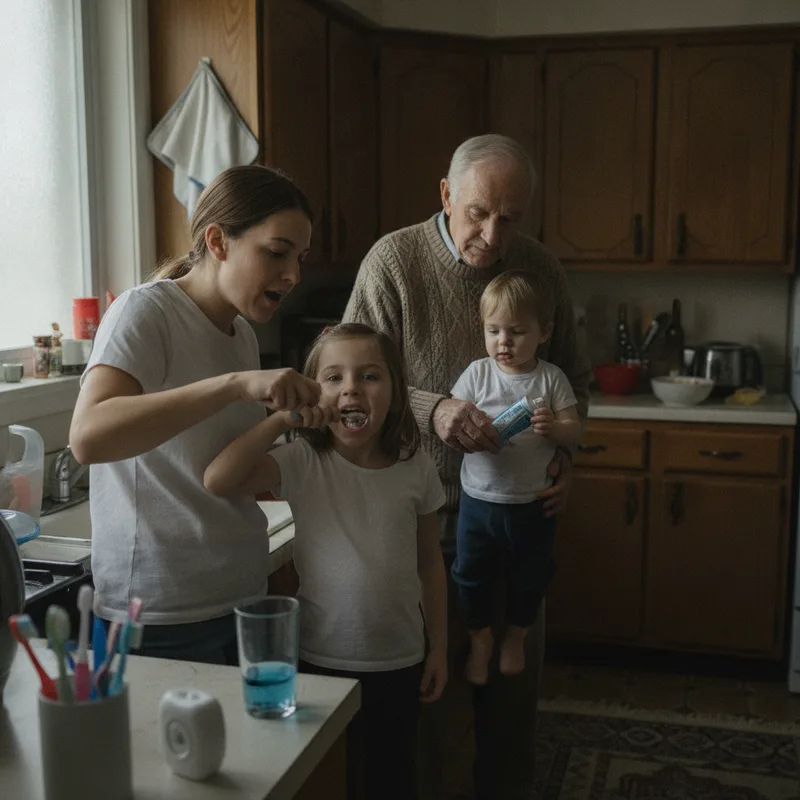
Tooth decay is one of the most common long-term health problems in childhood, and it is almost entirely preventable. Baby teeth may fall out eventually, but they matter a great deal while they are here. They help your child chew, speak clearly and smile with confidence, and they hold space for the adult teeth coming in behind them. Cavities in baby teeth can cause pain, infection and trouble eating or sleeping. A few simple daily habits, plus regular checkups, go a long way.
Before and after the first tooth
Most babies get their first tooth somewhere around 6 months, though some are earlier or later. Even before teeth come in, you can wipe your baby's gums with a clean, damp cloth after feedings. This gets your baby used to having their mouth cleaned.
Once the first tooth appears, it is time to start brushing with a soft, child-sized toothbrush and fluoride toothpaste twice a day. The best times are after breakfast and right before bed.
How much toothpaste to use
The American Academy of Pediatrics recommends fluoride toothpaste from the very first tooth, in amounts that match your child's age:
- From the first tooth until age 3: a tiny smear, about the size of a grain of rice.
- From age 3: a pea-sized amount.
Teach your child to spit out the extra toothpaste once they are able. They do not need to rinse with water afterward, since leaving a little fluoride on the teeth helps protect them. Store toothpaste out of reach so your child does not eat it from the tube.
Brushing tips that help
- Do it for them, then with them. Young children do not have the hand skills to brush well on their own. Brush for your child at first. As they grow, let them have a turn, then finish the job yourself. Most children need an adult to help or check until around age 10.
- Two minutes, twice a day. A song or timer makes it easier to brush long enough.
- Get every surface. Use small circles along the gumline, and brush the inside, outside and chewing surfaces of every tooth.
- Floss when teeth touch. Once two teeth sit side by side, food can get trapped between them. Flossing once a day helps.
- Replace the brush. Change toothbrushes every few months, or sooner if the bristles are frayed.
- Lift the lip. Once a month, gently lift your child's upper lip and look at the front teeth near the gums. White chalky lines or brown spots can be early signs of decay.
Fluoride varnish at checkups
Fluoride varnish is a sticky, protective coating painted onto the teeth. It takes about a minute, does not hurt and helps prevent or slow cavities. The AAP recommends that pediatricians or dentists apply fluoride varnish once teeth come in, and repeat it about every 6 months until age 5. Children at higher risk for cavities may need it more often. After a varnish treatment, your pediatrician will give you simple instructions, such as offering soft foods for the rest of the day.
Fluoride in drinking water also protects teeth. Ask your pediatrician whether your home water has fluoride, especially if you use well water or only drink bottled water. Some children may need a fluoride supplement, but only your pediatrician or dentist should prescribe it. Too much fluoride in early childhood can cause white marks on adult teeth. If your child swallows a large amount of fluoride toothpaste or supplements, call Poison Control at 1-800-222-1222.
First dentist visit by age 1
Plan your child's first dental visit by their first birthday, or within six months of the first tooth coming in. This first visit is usually quick. The dentist checks the teeth and gums, talks about habits and decides how often your child should come back. Having a regular dentist, often called a dental home, means you have someone to call for checkups and problems like a chipped tooth or toothache.
Your pediatrician also looks at your child's teeth at well visits and can help you find a dentist if you do not have one yet.
Bottles, cups and bedtime
- No bottle in bed. Putting a baby or toddler to sleep with a bottle of milk, formula or juice bathes the teeth in sugar all night and can lead to serious decay. If your child needs something at bedtime, finish the feeding before brushing and laying them down.
- Move to a cup. Start offering a cup around 6 months, and aim to wean off the bottle around 12 to 18 months.
- No all-day sipping. Carrying a sippy cup of milk or juice around all day keeps the teeth under constant attack. Between meals, offer water.
- Do not dip pacifiers in sugar, syrup or honey. Never give honey to a baby under 1 year old.
- Do not share spoons or clean pacifiers in your mouth. Cavity-causing germs can pass from adults to babies.
Sugary drinks and snacks
Every time your child sips a sugary drink or eats a sticky snack, mouth germs make acid that weakens tooth enamel. How often matters as much as how much.
- Make water and plain milk the everyday drinks. Babies under 1 should not have juice.
- Skip soda, sports drinks, sweet tea and fruit drinks. If your child is active in the Texas heat, water is usually all they need.
- Choose tooth-friendly snacks like cheese, yogurt without added sugar, vegetables and fresh fruit.
- Limit sticky foods like gummies, fruit snacks and dried fruit, which cling to teeth.
- Save sweets for mealtimes rather than snacks, and have your child drink water afterward.
Protecting growing smiles
As children get older, ask your dentist about dental sealants, a thin coating on the back teeth that helps block decay. If your child plays contact sports, a mouthguard protects against injuries. For more, see the AAP's fluoride FAQ for parents, its guide to early oral health and MedlinePlus on child dental health.
When to call us
Call your A thru Z Pediatrics office or your child's dentist if you see white or brown spots on the teeth, if your child has tooth pain or trouble eating, or if you need help finding a dentist.
Go to the ER or call 911 if your child has a swollen face or jaw with fever, swelling that affects breathing or swallowing, or a serious mouth injury with heavy bleeding. If an adult tooth is knocked out, call a dentist right away, since quick care matters.
For a checkup that includes a fluoride varnish, request a visit.
This article is general information, not medical advice. If you have concerns about your child's health, call your A thru Z Pediatrics office.