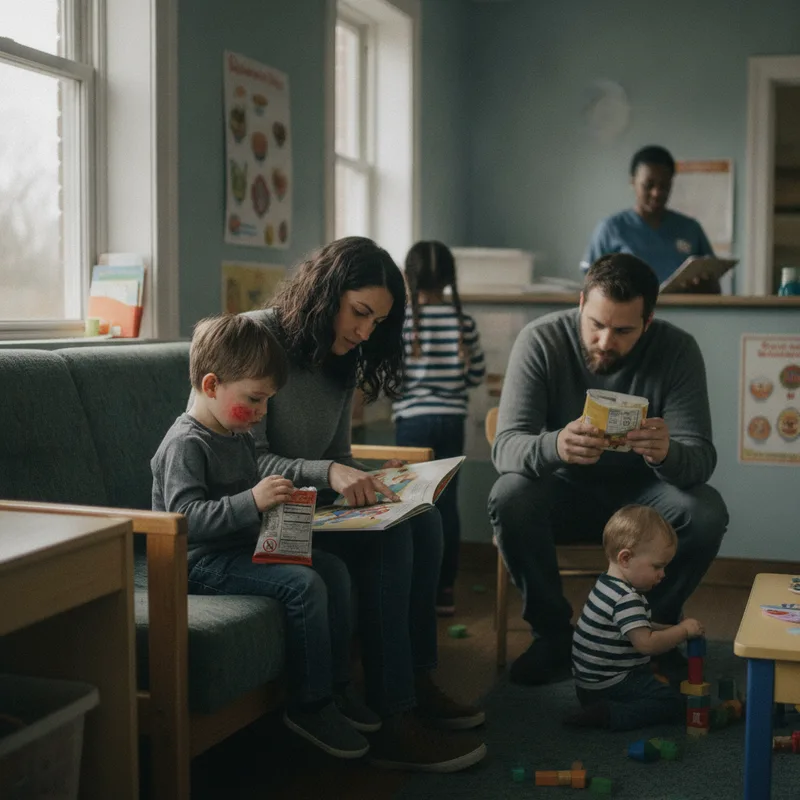
Finding out your child has a food allergy can change how you shop, cook, pack lunches and plan birthday parties. It can also bring a lot of worry. With a clear plan, though, most children with food allergies live full, active lives. This guide covers the most common allergens, the signs of a reaction, what to do in an emergency, how to read food labels, and how to keep your child safe at school and social events.
What a food allergy is
A food allergy happens when the immune system mistakes a food protein for a threat and overreacts to it. Even a small amount can trigger symptoms. This is different from a food intolerance, such as lactose intolerance, which can cause gas, bloating or diarrhea but does not involve the immune system and is not life-threatening.
The most common food allergens
Under U.S. law, the U.S. Food and Drug Administration recognizes nine major food allergens:
- Milk
- Eggs
- Peanuts
- Tree nuts, such as almonds, cashews, walnuts and pecans
- Fish
- Crustacean shellfish, such as shrimp, crab and lobster
- Wheat
- Soybeans
- Sesame, which was added to the list starting January 1, 2023
Children can be allergic to other foods too. Some children outgrow milk, egg, wheat and soy allergies over time. Peanut, tree nut, fish and shellfish allergies are more likely to last, though some children outgrow those too. Your child's doctor or allergist can retest over the years.
Signs of an allergic reaction
Reactions usually start within minutes to two hours after eating. They can involve one or many parts of the body.
- Skin: hives, redness, itching, or swelling of the lips, face or eyes
- Mouth and throat: itchy or tingly mouth, throat tightness, hoarse voice, trouble swallowing
- Breathing: coughing, wheezing, shortness of breath, repeated throat clearing
- Stomach: vomiting, belly pain, diarrhea
- Heart and circulation: pale or bluish skin, dizziness, fainting, a weak pulse
- Behavior: sudden fussiness or crying in babies, a child saying something feels wrong, unusual sleepiness or floppiness
Young children may describe a reaction in their own words, such as "my tongue is too big," "my mouth feels funny" or "there is something stuck in my throat." Take those words seriously.
Anaphylaxis and epinephrine
Anaphylaxis is a severe reaction that can get worse very quickly. It often affects breathing or blood pressure, or involves two or more body systems at once, such as hives plus vomiting.
Epinephrine is the first and most important treatment. If your child's doctor has prescribed an epinephrine auto-injector:
- Use it right away at the first signs of a serious reaction, as your child's emergency plan directs. Do not wait to see if symptoms get worse.
- Call 911, even if your child starts to feel better. Symptoms can come back.
- Have your child lie down with legs raised, or sit up if breathing is hard. Do not have them stand or walk.
- Use a second auto-injector if symptoms do not improve or return, as the plan directs.
Antihistamines can ease mild itching, but they do not stop anaphylaxis and should never replace epinephrine. Your child's doctor will choose the right auto-injector strength for your child's weight. Keep two with your child at all times, check expiration dates, and store them at room temperature, never in a hot car. San Antonio summers can damage medicine left in a vehicle.
Ask your doctor for a written food allergy emergency action plan. Share copies with school, child care, coaches, babysitters and relatives.
Reading food labels
Federal law requires packaged foods regulated by the FDA to list any of the nine major allergens in plain language. You will find them either in the ingredient list, such as "whey (milk)," or in a "Contains" statement under the ingredients. Learn more at MedlinePlus on food allergy.
- Read the label every time, even on foods you buy often. Recipes and factories change.
- Know the limits. Statements such as "may contain" or "made in a facility with" are voluntary and are not required or defined the same way. Talk with your child's doctor about whether to avoid these products.
- Some foods are not covered by these labeling rules, including many restaurant, deli and bakery items that are not pre-packaged. Ask staff directly about ingredients and how food is prepared.
- Teach older children to read labels and to say no to food when they are unsure.
Planning for school, parties and outings
- Meet with the school nurse before the year starts. Bring your child's action plan and medicines, and ask about the school's food allergy policy, lunchroom setup and field trips.
- Talk with teachers about classroom snacks, crafts that use food, and celebrations. Ask for non-food rewards.
- Before parties, call the host to ask about the menu. Bring a safe treat your child enjoys so they do not feel left out.
- Clean hands and surfaces with soap and water or wipes. Hand sanitizer does not remove food proteins well.
- Carry the auto-injectors everywhere, including sports practices, camps and trips.
- Help your child speak up. Practice phrases like "I have a peanut allergy. Does this have peanuts?"
The National Institute of Allergy and Infectious Diseases has more on food allergy, including research on introducing allergens to babies. If you have an infant, talk with your pediatrician about when and how to start foods like peanut and egg.
When to call us
Call your A thru Z Pediatrics office if your child has had any reaction after eating, even a mild one, so you can talk about testing, a referral to an allergist and an action plan. Also call if your child needs a new or refilled auto-injector or updated school forms.
Call 911 or go to the nearest ER for trouble breathing, throat or tongue swelling, repeated vomiting, fainting, pale or blue skin, or any time you use epinephrine.
To plan ahead with your pediatrician, you can request a visit online.
This article is general information, not medical advice. If you have concerns about your child's health, call your A thru Z Pediatrics office.