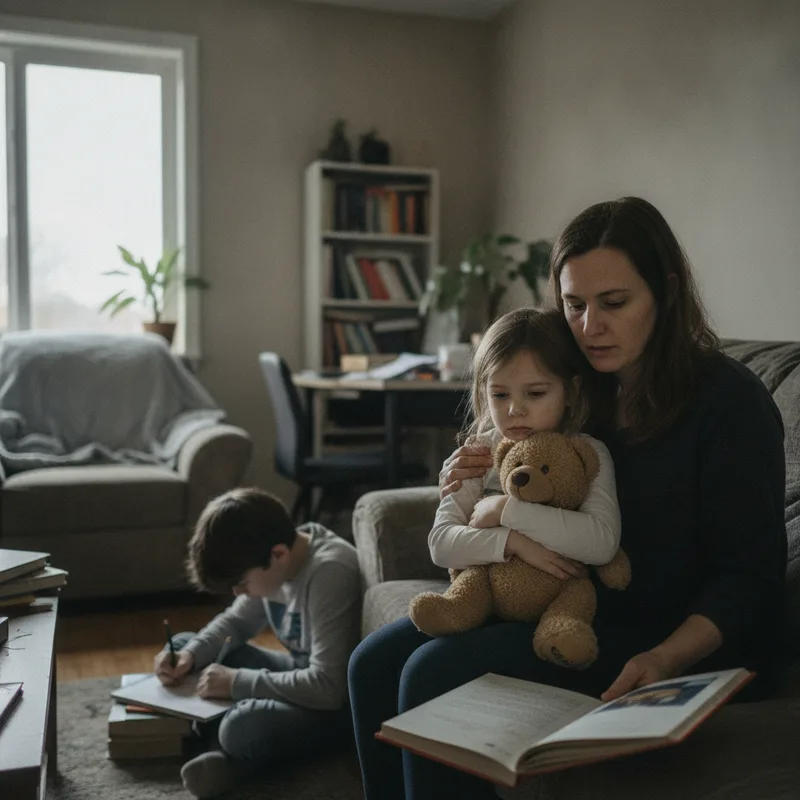
All children worry sometimes. A toddler cries when you leave the room, a first grader is scared of the dark, a middle schooler dreads a big test. These fears are a normal part of growing up, and they usually fade as children learn they can handle hard things. For some children, though, worry grows so big or lasts so long that it gets in the way of school, friends, sleep and family life. That is when anxiety may need more help.
Normal worries vs. anxiety
Fears tend to change with age. Babies and toddlers often fear strangers and being apart from a parent. Preschoolers may fear monsters, dogs or the dark. School-age children often worry about getting hurt, storms, or doing well in school. Teens commonly worry about how they look, fitting in and the future.
Worry may be more than a phase when it:
- Is much stronger than the situation calls for
- Happens most days and lasts for weeks or months
- Makes your child avoid places, people or activities
- Gets in the way of school, sleep, friendships or family routines
- Does not ease with reassurance, or needs the same reassurance over and over
There are several kinds of anxiety in children, including separation anxiety, generalized worry about many things, social anxiety, strong fears of specific things, and panic attacks. Your pediatrician can help sort out what is going on.
Anxiety often shows up in the body
Children may not say "I am anxious." Instead, they may say their stomach hurts or they feel sick, especially on school mornings. Watch for:
- Stomachaches, headaches or nausea with no clear cause
- Trouble falling asleep, nightmares or wanting to sleep with a parent
- A racing heart, fast breathing, shakiness or sweating
- Feeling tired, tense or restless
- Changes in appetite
Physical symptoms should still be checked by your pediatrician, since a medical problem can look like anxiety and the other way around.
Signs in behavior
- Avoiding school, parties, sports or new situations
- Clinging, crying or tantrums at separations, often past the age when it is expected
- Asking "what if" questions again and again
- Perfectionism, erasing homework over and over, or melting down over small mistakes
- Irritability or anger, which is easy to mistake for defiance
- Not speaking at all in certain places, such as school
How parents can help
It is natural to want to protect your child from anything that scares them. But when children always avoid what they fear, the fear tends to grow. The goal is to help your child face fears in small, manageable steps, with your support.
- Listen and name the feeling. Try, "You are really worried about the field trip. That feels scary." Feeling understood helps calm the body.
- Show confidence in your child. "This is hard, and I know you can do it" sends a stronger message than "There is nothing to worry about."
- Build a brave ladder. Break a big fear into small steps. A child afraid of dogs might first look at pictures, then watch a dog from across the park, then stand near a calm dog. Praise effort at each step.
- Cut back on rescuing. Answer a worried question once, then gently redirect. Try not to let your child skip school or activities because of worry, and talk with the school if mornings are hard.
- Teach calming skills. Slow belly breathing, counting five things you can see, or squeezing and relaxing muscles can help. Practice when your child is calm so the skill is ready when needed.
- Keep routines steady. Regular sleep, meals, physical activity and downtime all help. Limit scary news and late-night screens.
- Watch your own reactions. Children learn from how we handle stress. It is okay to say, "I feel nervous too, and here is what I do."
Getting care
Anxiety is one of the most common mental health conditions in children, and it is very treatable. Many pediatricians now screen for anxiety at checkups starting in the school-age years. Your pediatrician can talk with you and your child, ask about symptoms at home and school, look for other causes, and help you find the right next step.
The type of therapy with the strongest track record for childhood anxiety is cognitive behavioral therapy (CBT). It teaches children to notice anxious thoughts and practice facing fears a little at a time. Parents are often part of the sessions. For moderate to severe anxiety, a pediatrician or psychiatrist may also talk with you about medicine, along with its benefits and risks. Early help matters, because untreated anxiety can lead to school refusal, depression and missed experiences.
Learn more from the National Institute of Mental Health, the AAP's HealthyChildren.org page on teen anxiety, and MedlinePlus.
In a crisis
If your child talks about wanting to die, hurting themselves, or feeling hopeless, take it seriously every time. Call or text 988, the Suicide and Crisis Lifeline, any time of day. If your child is in immediate danger, call 911. Keep medicines and firearms locked up and out of reach.
When to call us
Call your A thru Z Pediatrics office if worry is keeping your child from school, sleep, friends or activities, if physical complaints keep coming back, if your child has panic attacks, or if you are simply unsure whether your child's fears are typical for their age.
Call 911 or go to the ER if your child is in immediate danger or has harmed themselves. Call or text 988 for a mental health crisis.
To talk through your concerns, request a visit.
This article is general information, not medical advice. If you have concerns about your child's health, call your A thru Z Pediatrics office.