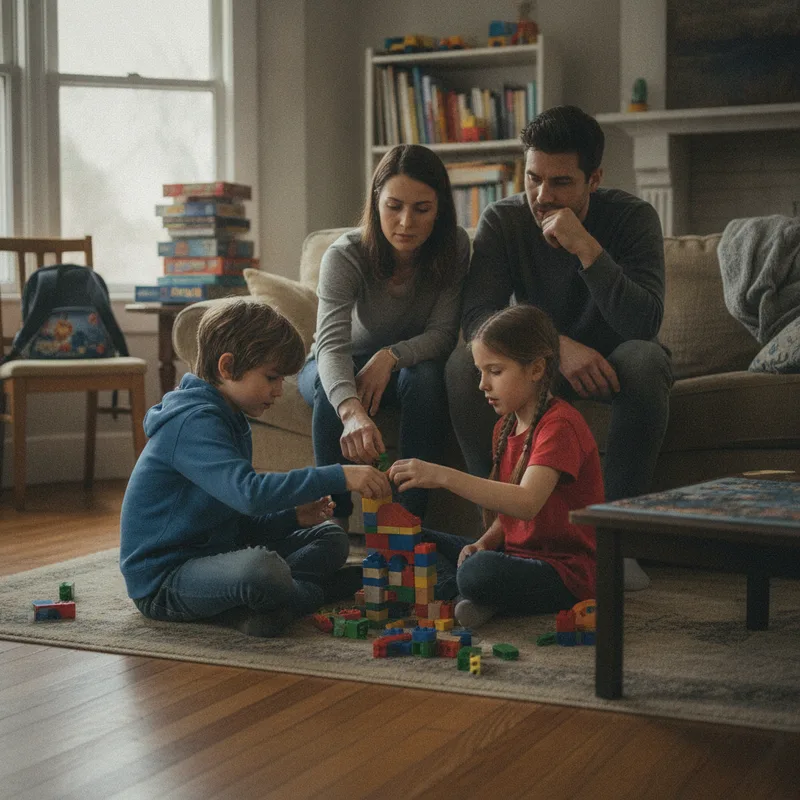
Many parents of children with ADHD notice the same painful pattern. Your child is kind, funny and full of ideas, yet the birthday invitations are few, recess is lonely, or a new friendship falls apart after a week. Friendship trouble is common with ADHD, and it is not a sign that your child is a bad friend. It usually means some of the skills that friendships depend on are still catching up. The good news is that those skills can be taught and practiced, and you can help.
Why friendships can be harder with ADHD
ADHD affects attention, impulse control and activity level. Each of those plays a part in how kids get along with each other.
- Missing social cues. If your child's attention drifts, they may not notice a friend's bored face, a change in tone or that the game has moved on.
- Acting before thinking. Interrupting, grabbing a toy, blurting out a comment or changing the rules mid-game can annoy other kids, even when your child meant no harm.
- Big feelings, fast. Losing a game or being left out can lead to a quick, loud reaction that other children remember.
- Trouble with turns and waiting. Board games, team sports and conversations all ask kids to wait. That is hard work for a child with ADHD.
Some children with ADHD also have anxiety, learning differences or other conditions that affect social life. If friendship problems seem bigger than what you would expect, mention it to your pediatrician.
Coach skills one at a time
Children learn social skills the same way they learn to ride a bike: by practicing a small piece, getting feedback and trying again. Lectures after a bad day rarely help. Short, calm coaching works better.
- Pick one skill. Choose a single goal for the next few weeks, such as asking a friend a question about themselves, letting the guest choose the first game, or losing a game without quitting.
- Explain why it matters. Keep it simple: "When you ask Sam what he likes, he feels like you care about him."
- Practice at home. Role play with a parent or sibling. Take turns being the friend. Keep it light and a little silly so it does not feel like a test.
- Use a private signal. Agree on a small cue, like a tap on the shoulder or a code word, that reminds your child of the goal during a real playdate without embarrassing them.
- Talk afterward. Ask what went well first. Then ask what they might try next time. Praise effort, not just results.
Set up playdates that are likely to go well
Unstructured group play is often the hardest setting for a child with ADHD. A planned one-on-one playdate gives your child a better chance to have a good time and leave a good impression.
- Invite one child at a time. Groups of three can leave someone out. Two kids is easier to manage.
- Keep it short. One to two hours is plenty. End while everyone is still having fun.
- Plan the activity together. Before the friend arrives, choose two or three things to do, such as baking cookies, building with blocks, a bike ride or a craft. Hands-on activities with a clear goal work well.
- Stay nearby. You do not need to hover, but being close lets you step in early, suggest a snack break or change activities before things fall apart.
- Think about medicine timing. If your child takes ADHD medicine, ask your pediatrician whether the timing covers after-school or weekend playdates.
Find activities that fit your child
Friendships often grow out of shared interests. Look for activities where your child can shine and where adults provide some structure.
- Sports with lots of action and less waiting, such as swimming, martial arts, soccer or track.
- Clubs built around a strong interest, like robotics, art, chess, theater or scouts.
- Small groups led by a patient coach or teacher who understands ADHD.
Let the coach or leader know what helps your child, like clear instructions and a quick reminder of the rules.
Work with your child's school
Much of a child's social life happens at school, and teachers see things parents cannot.
- Ask the teacher what they see at recess, at lunch and during group work. Who does your child get along with? When do problems start?
- Ask about structured recess or lunch groups. Some schools offer small groups run by a counselor that practice friendship skills.
- Use thoughtful seating and partners. A teacher can pair your child with a patient classmate for projects.
- Review school supports. If your child has a 504 plan or an individualized education program (IEP), social goals can be part of it. Ask the school counselor how this works.
Protect your child's confidence
Repeated rejection can wear down a child's self-esteem. Make sure home is a safe place where your child feels liked. Spend one-on-one time doing something they enjoy. Point out their strengths, such as humor, creativity, energy or kindness to animals. Remind them that one or two good friends is a fine goal. Children do not need to be popular to be happy.
Also watch for bullying, both in person and online. Kids who are impulsive or socially out of step are more likely to be teased. Ask open questions like "Who did you sit with at lunch today?" and let your child know they can always tell you.
Treatment can help social life too
ADHD treatment often includes behavior therapy, parent training, school supports and, for many children, medicine. When ADHD symptoms are better controlled, many children find it easier to wait their turn, follow a game and notice how others feel. Some families also benefit from a counselor who runs social skills groups. The AAP's ADHD section on HealthyChildren.org and MedlinePlus's ADHD overview are good places to read more.
When to call us
Call your A thru Z Pediatrics office if your child has no friends at all, is being bullied, seems sad or withdrawn, refuses to go to school, or if you think the current ADHD treatment plan is not working. We also want to know if friendship struggles are causing angry outbursts at home or if you are worried about anxiety or depression.
Call 911 or go to the nearest ER right away if your child talks about wanting to die or hurting themselves, or if you think they are in danger.
For a routine visit to talk about ADHD and friendships, you can request a visit online.
This article is general information, not medical advice. If you have concerns about your child's health, call your A thru Z Pediatrics office.