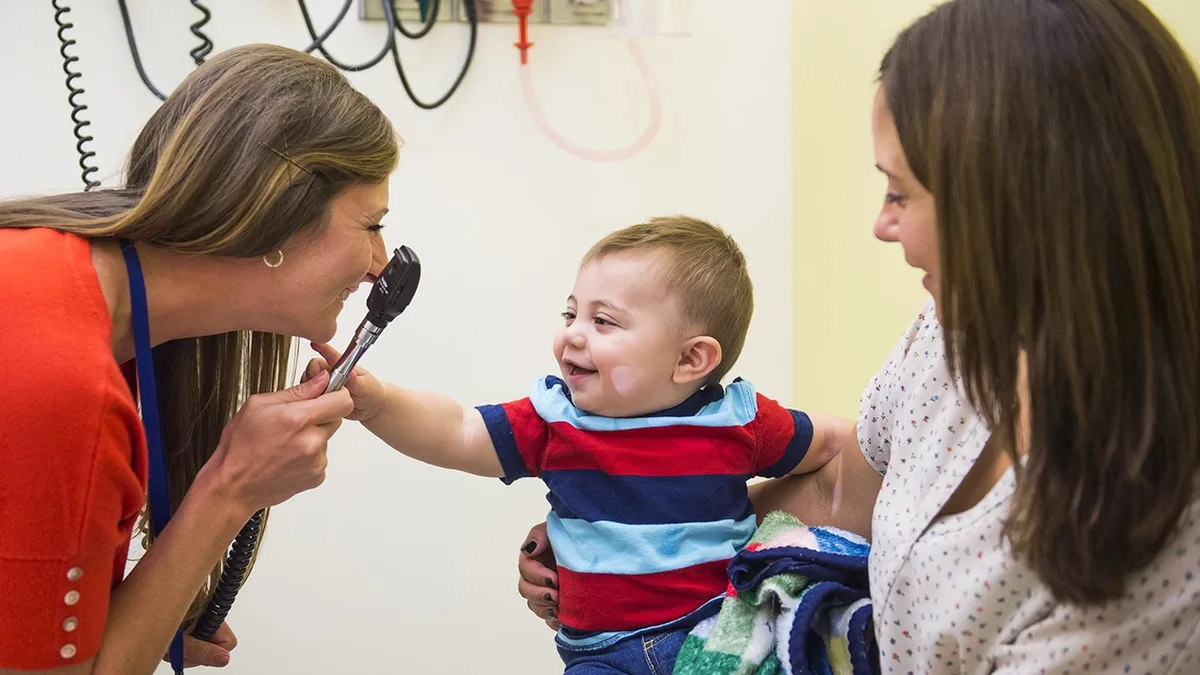
When it comes to your child’s health, regular check-ups might just seem like another item on your never-ending to-do list. But did you know that those well-child visits are far more than just a routine? They’re a treasure trove of opportunities packed with insights and benefits that can shape your child’s future! In this blog post, we’ll dive into five surprising advantages of keeping these appointments on your calendar. From uncovering hidden health issues to fostering lifelong healthy habits, you may find yourself rethinking how you view these vital visits. So grab a cup of coffee and settle in as we explore why prioritizing those check-ups is one of the best gifts you can give your little one!
Importance of Regular Well-Child Visits
Regular well-child visits are an essential aspect of pediatric healthcare that cannot be emphasized enough. These visits, also known as check-ups or physical exams, involve regular appointments with a pediatrician to monitor the growth and development of children from birth to adolescence. Despite the apparent benefits, many parents tend to skip these visits due to their busy schedules or the absence of any visible symptoms in their child.
One of the most crucial reasons for regular well-child visits is preventive care. By monitoring a child’s growth trajectory and identifying potential risks early on, parents and doctors can work together to prevent future health problems before they become serious. For example; if a child’s weight is not proportionate to their age during routine exams over time, this could indicate obesity or malnutrition, both potentially serious conditions that can be addressed with proper guidance from medical professionals.
Apart from physical assessments, well-child visits can also have significant impacts on mental health. Pediatricians screen for signs of anxiety or depression at every visit by asking questions about a child’s feelings or behaviors. Early identification can lead to prompt intervention with therapy or support resources for treating any mental health concerns effectively.
Moreover, regular check-ups serve as essential opportunities for parents and caregivers to discuss any concerns about their child’s development or behavior with a healthcare professional. Pediatricians can provide guidance on various topics such as nutrition, sleep patterns, safety measures, academic progress, and address any parental anxieties.
By staying on track with these appointments, parents can ensure that their child is healthy, growing appropriately, receiving necessary immunizations, and getting the support they need for optimal physical and mental development. These visits could potentially save your child from severe medical issues in the future by detecting any underlying concerns at an early stage. Therefore, it is crucial to prioritize regular well-child visits as a key part of your child’s healthcare routine.
Benefits of Regular Well-Child Visits
Regular well-child visits are an essential aspect of child healthcare that can provide numerous benefits for both the child and their family. These routine check-ups, recommended by the American Academy of Pediatrics (AAP), occur at set intervals throughout childhood, typically starting from infancy and continuing until adolescence. While well-child visits may seem like an inconvenience or unnecessary burden to some parents, they actually offer many surprising benefits that should not be overlooked.
1. Early Detection and Prevention of Health Issues
Regular well-child visits play a crucial role in the early detection of potential health issues. Pediatricians have the expertise to spot subtle signs that might go unnoticed by parents.
From developmental delays to vision problems, these check-ups can identify concerns before they become significant challenges. This proactive approach allows for timely intervention, which often leads to better outcomes for children.
Preventive care during these visits also includes routine screenings and assessments specific to each child’s needs. These measures help in monitoring conditions like obesity or allergies, ensuring that your child is on track with their health journey.
Moreover, discussing any noticeable changes in behavior or physical condition with a healthcare professional can provide peace of mind while guiding necessary actions. Parents can feel empowered knowing they’re taking steps toward safeguarding their child’s future wellbeing.
2. Developmental Milestones and Growth Tracking
Regular well-child visits are key to monitoring your child’s growth and development. Pediatricians assess a range of developmental milestones, ensuring that children reach important physical, cognitive, and social benchmarks.
These check-ups provide parents with insights into what typical progress looks like at each age. For example, by 12 months, many toddlers can say simple words or take their first steps. Tracking these milestones helps identify any potential delays early on.
Additionally, pediatricians use standardized tools to evaluate growth patterns based on height and weight percentiles. This data highlights not only how your child compares to peers but also informs nutritional needs and lifestyle adjustments.
Discussing these observations with healthcare providers fosters an open dialogue about concerns or questions you may have as a parent. It’s a collaborative approach that ensures your child thrives during crucial stages of life.
3. Vaccinations and Immunizations
Vaccinations play a critical role in safeguarding your child’s health. They equip the immune system to fight off various infectious diseases, some of which can lead to serious complications.
During well-child visits, healthcare providers ensure that children receive their scheduled immunizations on time. This not only protects your child but also contributes to community immunity, keeping vulnerable populations safe.
Parents often have concerns about vaccine safety and efficacy. It’s essential to discuss these worries with pediatricians who are equipped with up-to-date information and research.
Staying informed helps parents make educated choices for their children’s health journey. Regular check-ups facilitate these important conversations about vaccinations while addressing any questions you may have regarding potential side effects or recommended schedules.
Incorporating vaccines into routine care is a proactive step toward ensuring long-term wellness for every child.
4. Addressing Parents’ Concerns and Providing Support
Well-child visits are a great opportunity for parents to voice their concerns. Whether it’s about sleep patterns, nutrition, or behavioral changes, these appointments allow parents to discuss what weighs on their minds.
Pediatricians understand that parenting can be overwhelming. They listen and provide reassurance to individual needs. Open conversations foster trust and help dispel worries.
These visits also offer resources from pediatricians who may suggest reading materials or local support groups. Parents often find comfort in connecting with others facing similar challenges.
Additionally, addressing questions early can prevent anxiety from building up over time. Knowing there’s a medical professional ready to guide them makes a significant difference in how families approach health concerns.
Feeling supported during these formative years contributes positively not just for the child but for the entire family dynamic as well.
5. Long-Term Effects on Child’s Overall Health
Regular well-child visits play a crucial role in shaping a child’s long-term health. These check-ups ensure that any potential issues are identified early, allowing for timely interventions.
When children receive consistent medical care, they are more likely to develop healthy habits. This includes nutrition guidance and physical activity recommendations specific to their needs. Such foundational practices can lead to better lifestyle choices as they grow.
Additionally, establishing a trusting relationship with healthcare providers encourages open communication about health concerns. Children who feel comfortable discussing their issues tend to seek help earlier, reducing the risk of chronic conditions later in life.
Routine visits also promote mental well-being by monitoring emotional and social development. Early identification of behavioral or psychological concerns leads to effective support strategies, fostering resilience throughout their lives.
In conclusion, regular well-child visits are an essential aspect of ensuring a child’s overall health and well-being. Not only do they help track physical development and detect potential health issues, but they also provide an opportunity for parents to discuss any concerns or ask questions about their child’s growth and development. Additionally, these visits can offer valuable resources and support to both children and parents as they navigate different stages of childhood together. By making sure your child attends regular well-child visits, you are setting them up for a healthier future both physically and mentally.
This article is general information, not medical advice. If you have concerns about your child's health, call your A thru Z Pediatrics office.